In A Woman’sWords
First published in my print column, The Nature of Things
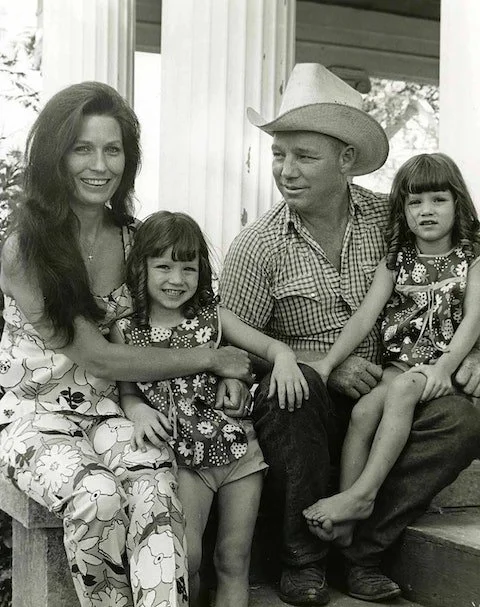
Last week country music legend and female singer-songwriter icon Loretta Lynn passed away. With famous song titles like “Don’t Come Home a Drinkin’ (with lovin’ on your mind), “One’s On the Way” and “Rated X,” Lynn was often credited for having feminist ideals and for championing women’s rights through the lyrics of her songs. From drunken, philandering husbands to the female frustrations of the cloistered life of serial pregnancies, Lynn’s songs often documented the struggles women of the time faced—especially women of blue collar marriages and those in rural America. Then with the release of her highly controversial song in 1975, "The Pill,” Lynn’s message seemed to be celebrating the possibility of women's sexual autonomy through the use of contraception, though it still failed to imagine a liberation beyond the confines of marriage.
Yet despite all this presumably progressive thinking, her carefully crafted down home persona of a naive backwoods country girl (one any red blooded man could easily picture barefoot and pregnant) complete with throat-concealing prairie dress, portrayed a different story.
In fact, Lynn never was comfortable with the word, or association with the idea of, feminism. Other women artists of the time, as well, were reticent to claim the label of Feminist, though much of the popular music generated by female singers then was of a similar variety.
For me, this split proves just how deeply entrenched womens’ fear of reproach lay. (Tens of millions stoned and burned at the stake for their presumed disobedience makes for lasting impact.) What female artists of the time were just beginning to be able to sing about (as if telling some other woman’s story) they still couldn’t claim outright as personal ideology. But it was a step—or leap, actually—in the direction toward ownership.
Those were brave times, not so long ago, that made a radical shift in the lives of women. Our daughters of today are the first-ever generation to have the luxury of not knowing, or even really understanding, the far reaching and damaging ramifications of what it is to not have self-possession over one’s own body and life. Loretta Lynn’s generation knew.
I once heard the question posed inquiring whether life influences the nature of art of a given period, or if the reverse is true, and art of a particular era has the power to impact the nature of life. I believe the veil between those two worlds probably blows both ways, back and forth at different times. Either way, it’s clear that artistic expression plays a crucial role in the evolution of culture.