What’s a Couple Degrees?
I remember my grandmother, each year about this time, remembering how her own mother would comment, “We just need to get through March…”
Nebraska homesteaders at the turn of the last century, theirs was a life of unmitigated struggle—endless work, the likes of which few today can even fathom, that yielded no grandiose lifestyle, but mere survival. It was a time when winter wasn’t just an inconvenience, but a roll of the dice with Mother Nature over one’s own existence.
March, the month that has long been noted for coming in like a lion and going out like a lamb, was the milestone each year my great-grandmother regarded as the marker for one more winter survived—a life-affirming triumph in its own right.
Pondering this from my own comparatively comfortable life in 2022, it would seem February feels more like the final month held in winter’s bitter grip. Sure there’s still snowfall in March, often times, April and May, but the temperatures just don’t seem to dip as low as they used to, or stay there as long as they once did.
Those who haven’t lived long enough to see this mild progression, first-hand, have only to consider the increasing extreme weather events of the past couple decades to know climate change has become impossible to ignore or deny. Just in the past year, for example, entire Californian towns were leveled by wildfires, the Midwest faced lethal flooding, and Hurricane Florence devastated the Carolinas. These weather disasters weren’t directly caused by a warming climate, but it did make them worse, and their devastation is a troubling sign of what’s to come. From the future property values of potential purchases to the safety of our loved ones, it’s important to understand the effects the warming climate will have. And not every area will be effected equally.
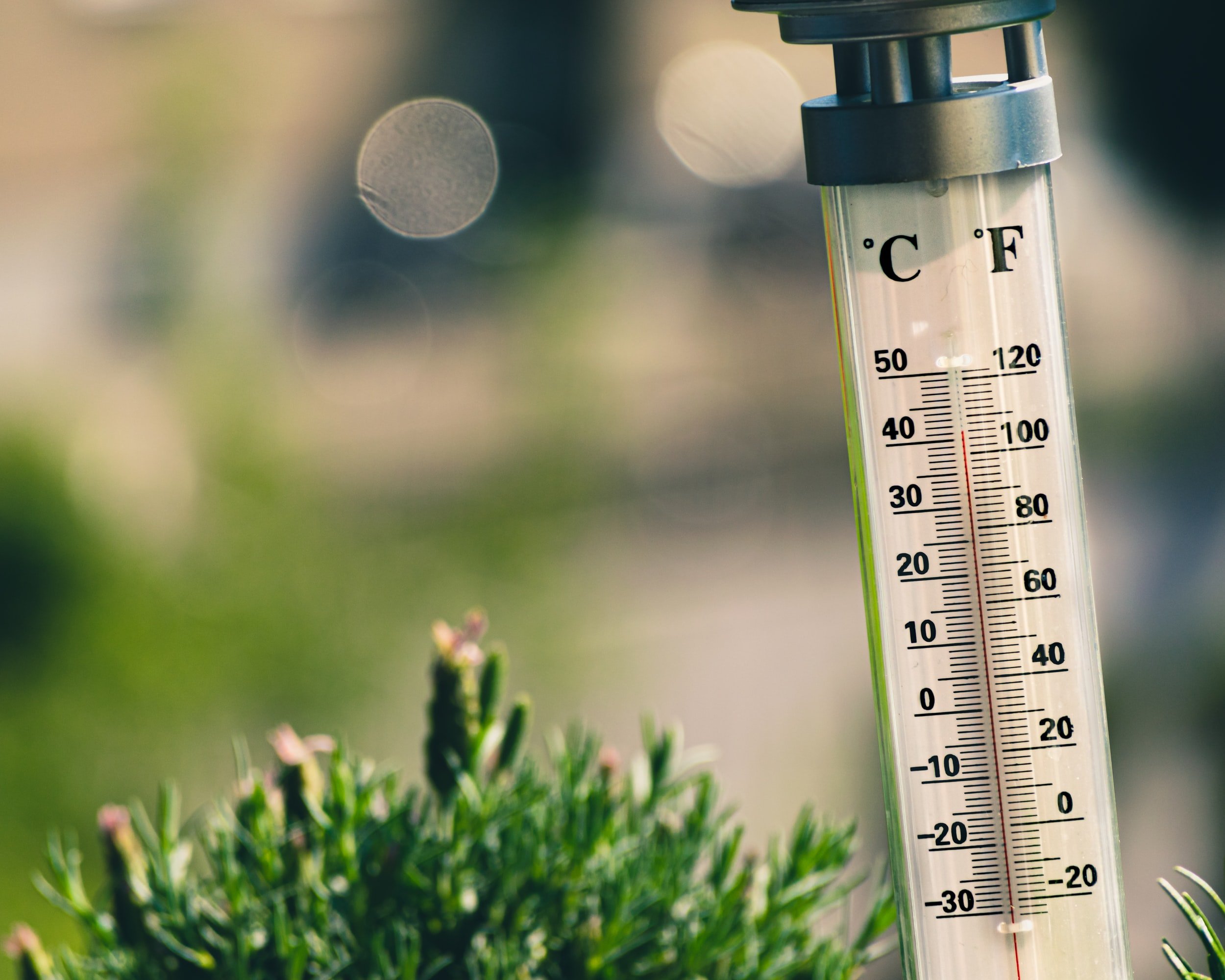
According to recent data from the National Oceanic and Atmospheric Administration’s National Centers for Environmental Information 27 out of 40 states had their hottest summers after 2000, and 32 out of 49 states had their hottest overall years after 2000. Though the amount of warming, a few degrees at most, seems inconsequential, it’s important to know that past ice ages were caused by just a few degrees of cooling.
Arguments dividing people on proposed climate-change legislation range from progressive theories on carbon-capturing potentials, to nightmare-ish visions of EPA-controlled agriculture, to complete denial that any environmental problems even exist.
And we have research—bought and paid for—to substantiate any side of the debate one might wish to support.
I find it all quite disturbing for I fear we are, quite literally, missing the forest for the trees on this one. Fixated on the same old green-back carrot being dangled and waved about, we’re blind to the real storm brewing on the horizon.
As I watch the first stars emerge from the deepening twilight, winking down on a Nebraska February evening, I think about the world my great-grandmother knew and faced with equal measures of fear and respect. The climate may have changed only by a few degrees over the last couple centuries, but it seems our awareness of our own relationship to the earth, and nature’s influence, has been drastically altered to a far larger degree. Those tempering attitudes of fear and respect, so familiar to my great-grandmother’s generation, are now considerably dulled. As though, so lulled into comfort we’ve become by our modern day advancements that we believe we truly are disconnected from the effects of the natural world. But as much as we all enjoy our everyday creature comforts, it behooves us to take a hard look at those attitudes of the past and apply them to our policy-making of the present, if we wish to have a survivable future.