Wherever You Stand
Words matter.
Of course, as a writer, I have to believe that.
But I have been around long enough now to have existential proof, as well.
For more than 16 years I lived on a little piece of land with some beautiful old trees—a few newer ones that I planted with my husband—a house, a garden for which we built a picket fence, various outbuildings; and we called the place home.
There was a deep-seated safety tied to the thin piece of paper that was the deed with our names upon it. I watched many seasons come and go from the kitchen window over the sink of the century-old farmhouse. Graceful snowfall, violent thunderstorms, golden summer days and some long black nights. My kids spent much of their childhood there, playing and fighting and testing each other’s resolve to that fierce bond particular to siblings. Two dogs, the family milk cow and our beloved horse, Smokey, are all buried on that land.
It was a wonderful home for a time, and I love all the memories made there—the good, the bad and the ugly—they’re all part of my experience; part of me now.
Everything changes though—repeated reminders of this fact seem the only constant in life.
Not long after leaving that home—when our lives were shattered by illness, medical debt and all the accompanying trauma, I tried to console myself with the notion that this, too, was temporary.
And so it was, even though it felt interminable through much of getting through it.
At some point during that time I stumbled across a quote by the famed 13th-century Sufi poet, Rumi.
“Wherever you stand, be the soul of that place.”
The message struck a deep chord.
After losing our home and feeling completely unmoored—not just for the loss of a domicile, but being bereft with the untethering from the stability and assuredness that had been my marriage and partnership with my best friend. The man who, after a decade of marriage still proudly introduced me as his bride.
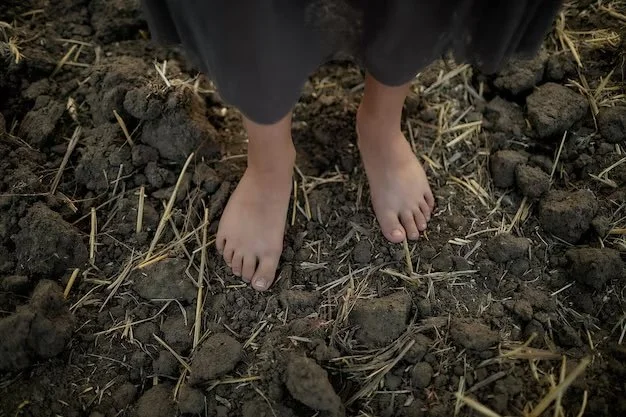
When Rumi’s wise words found me, I was standing in the stark wreckage of what had been my life, and his message came like the proverbial beacon in the night. To consider that who we are, and the footprints we make, are more important than where we leave them was a welcomed comfort at a time when I had no home, and my once robust husband was bed-bound in a long-term health care facility. To think that where each of us laid our heads at night—in different beds, in different towns—was inconsequential to the soul of our relationship—who we are, and had been together—made the arrangement a little closer to bearable.
The world is a big place; life encompasses so much more than any particular locale, reminding us we don’t actually own anything here anyway. Nothing and no one is ours to hold onto.
As a writer, I can only hope that some day, something I write might serve another in a similar capacity as Rumi’s words helped me. Words fashioned together in just the right way as to provide a new lens through which to view a difficult time, until the page, once again, is turned.