Looking Back To Move On
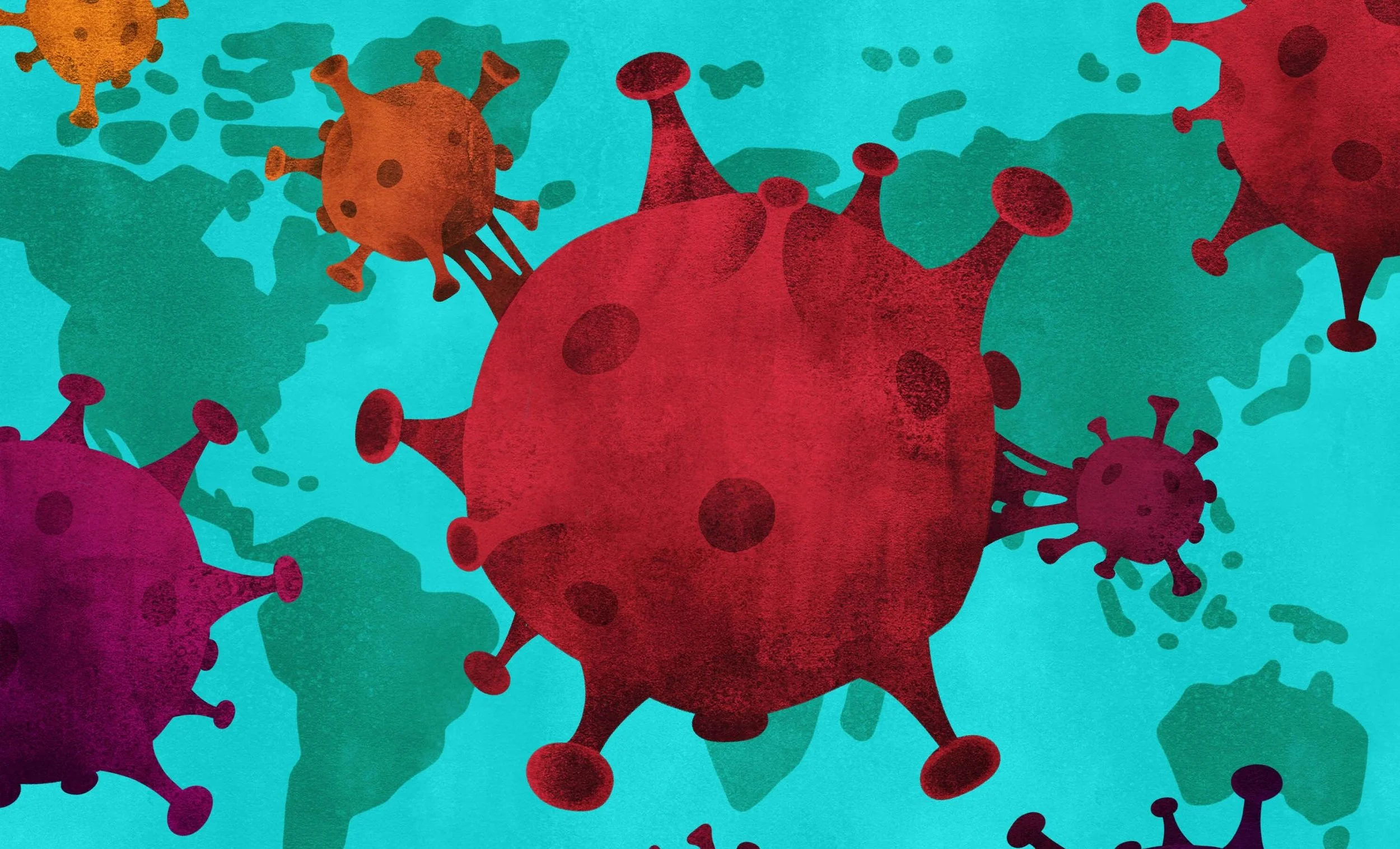
Another new year is upon us, which often gives one cause to reflect, as well as look ahead. Two years ago, few of us could have imagined how much the world would change as a result of a flu virus. I recall early in 2020 hearing the name Covid-19 across various news channels, believing then it was a passing thing, like so many “urgent” issues that flair up in the media, only to vanish when the next big story breaks. But months later, as world-wide lock-downs and quarantines ensued, it became obvious the coronavirus wasn’t going to just blow over.
Not to diminish the seriousness of the outbreak, or the tragedy of the millions that lost their lives, but the truth is, Covid is not the first pandemic the world has ever seen. Barely more than 100 years ago, the Spanish Influenza (H1N1), reached the United States in March 1918. Over the next six months, there were periodic, minor outbreaks, but in September of that year, a highly fatal second wave broke out across the country and lasted through January 1919.
According to the Centers for Disease Control (CDC), 195,000 Americans died in October 1918 alone. In less than two years, an estimated 25 million people in the United States (25% of the total population of 103 million people) became ill and 675,000 died. Though there has been some debate about the accuracy of these numbers, (sound familiar?) it is estimated that more than 50 million people, worldwide, died from the Spanish Flu pandemic.
Recent stats from the CDC on Covid put the U.S. at 50 million cases and 800,000 deaths since the outbreak two years ago with just under 5.5 million deaths worldwide.
As we enter our second year in the thick of this pandemic, perhaps the best way to move forward is by taking a look back.
What happened to the Spanish Flu? How did it finally end?
Within a few years, the H1N1 strain behind the 1918 pandemic became less life threatening. It continued to mutate into less virulent forms as immunity began to increase, and a version of it continues to circulate to this day, though now few people die from contagion.
Historically, we know most pandemics end within 2 to 3 years as the virus mutates and populations build immunity. This is what happened to the Spanish Flu, and what many virologists hope will happen with the coronavirus.
There’s our hope on the horizon.
But beyond the impact Covid has had on worldwide human physical health, another—perhaps even more virulent—byproduct of this pandemic has arisen that may be even more difficult to remedy. That is the toxic divisiveness playing out in myriad ways, for multiple reasons. Whether it’s the vaccinated populace villainizing the unvaccinated, or the mandate-opposers shaming those who have chosen to be vaccinated, or the mask-wearers facing off with those who rebuff the idea of such “public control,” accusations, shaming, and all nature of nastiness, complete with hateful labeling and denigrating name-calling, couched in polarizing political rhetoric abounds across every mode of communication we have.
By now, everyone has been touched in some way by the coronavirus. Despite the manner in which so many are railing against opposing points of view, we are one planet of people, moving through a difficult and painful period in time. Whether we choose to acknowledge it or not, we are all in this together.
We talk about how much the world has changed since the onset of the pandemic, but the world, itself, hasn’t changed at all. This is just another day in the life for Mother Nature; Earth rolls on, doing its thing, creating, expanding, one element dying away to make way for the emergence of new life, just as it always has, as it will continue to do, regardless of whether we self-destruct as a species or not. The only thing that’s really changed since the coronavirus struck is how we are interacting with one another in the face of such difficulty.
We’ve all heard the saying how it’s not what happens that is important, but how one responds to adversity that really counts. If there’s any shred of truth to that adage, then we’re all failing on a grand scale—Republicans and Democrats, alike.
As we look ahead to 2022, still living in the midst of this devastating pandemic, it is my fervent hope that we can find our way forward from here with a bit more awareness and lot more courage. Awareness of the interrelationship between ourselves and one another, and the greater world around us. And courage to be part of the good work of reawakening to the bigger picture of life here, now, at this time.
Too often we believe that impactful work can only be done within organizations, public arenas and political offices where sweeping change is affected. But strength of heart is no less important in the common person’s life. We are all called to be people of courage in the more humble and often unnoticed realms of family life and work, where how we look to and speak of others creates the very fabric of our communities—which, if one is trying to change the world, isn’t a bad place to start.