What Western Women Can Teach Us About Misogyny
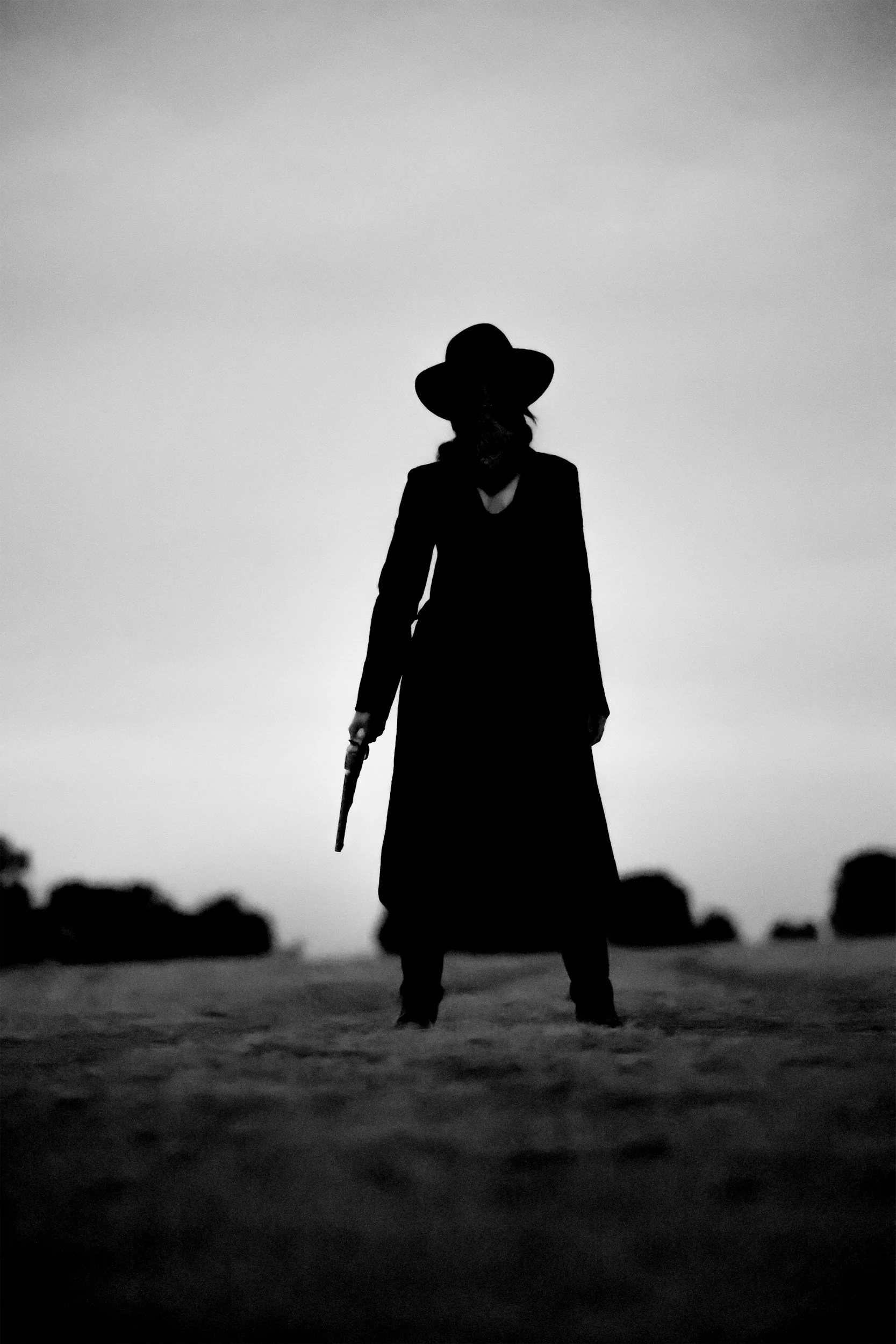
Fighting Misogyny: How Looking Back Can Inform Our Way Forward
The deeper I dive into researching women’s lives during the violent and turbulent times of the “settling of the west” for the current novel I’m working on, the more I realize it was the women who were mostly responsible for the creation of social structures and community development, even though (not surprisingly) history has conveniently forgotten or entirely misrepresented this fact. Now, as our nation’s “gentler sex” faces political policies that threaten women’s rights and bodily autonomy through restrictions on reproductive healthcare, the dismantling of workplace equity protections, and the rollback of global gender protection programs, taking a second look at where we’ve been and what we’ve overcome in the past may help us find our way forward with more conviction and confidence. All of America would do well to revisit the backstory of our nation’s westward expansion, written predominantly by women—even if they were mostly ghost writers.
What Western Women Can Teach Us About Overcoming Female Oppression
The history of the American West provides a powerful blueprint for challenging misogynistic systems, for it was the era that dismantled the nineteenth-century “cult of domesticity” for women. Frontier survival forced women into roles that went against traditional gender restrictions. Women managed farms, drove wagons, wielded firearms and defended homesteads, proving themselves indispensable partners in the survival of Western territories. Some women also leveraged homesteading laws to claim land independently, securing economic autonomy which was a rarity for women in those times. Soon, they expanded this physical grit into institutional power by building the social fabric of the West, initiating the creation of schools, churches, libraries, and hospitals. This transformed former isolated outposts into functional, interconnected communities, ultimately forcing political structures and law enforcement to adapt.
Perhaps the most notable advancement for women that occurred as a direct result of women’s societal contributions, was the leading of the entire nation, by the Western territories, in women's suffrage. Wyoming was the first state to grant women the right to vote in 1869—decades before the 19th Amendment.
How Marginalized Women of the Old West Wielded Authority
Beyond traditional settlers, marginalized women on the lawless frontier—like the particular ones I’ve been researching—similarly weaponized the underground economy to fight female exploitation and fund municipal infrastructure. In my own home state of Nebraska, brothel madams Anna Wilson and Josie Washburn emerged as unlikely pillars of community infrastructure and political resistance in Omaha. Because mainstream banking, social safety nets and even medical access routinely excluded women, Wilson, who had accumulated a massive fortune through real estate, bequeathed her luxury mansion to serve as Omaha’s very first emergency hospital. Meanwhile, Josie Washburn redirected her wealth toward radical institutional reform. When male politicians denied her legislative petitions to fund rehabilitation homes for sex workers, Washburn bypassed patriarchal gatekeepers entirely. She used her own money to found a publishing company and print a groundbreaking memoir that aggressively exposed police extortion, religious double standards, and the male-dominated political systems profiting off vulnerable women.
Leading the Way Toward a Better Future: The New Wild West = Women
Today, patriarchal rule continues to isolate and silence women through systemic bias, restriction and invalidation, but the strategic playbook written by Western women more than a century and a half ago offers a direct method for dismantling these damaging sytems. As we watch the roll-back and dismantling of so many hard-won advances for women’s rights, we must take heart and like our sisters of the Old West, rally to action. The New Wild West belongs to women. If modern women’s movements can channel even a bit of the historic resilience first modeled by the early Western women, we can break down misogyny on a national scale, and build a more equitable future for us all.
If you like to read stories about strong, resilient western women, click the link below.